by Erika Soliven, Marketing Director at PowerShelter
·
Updated
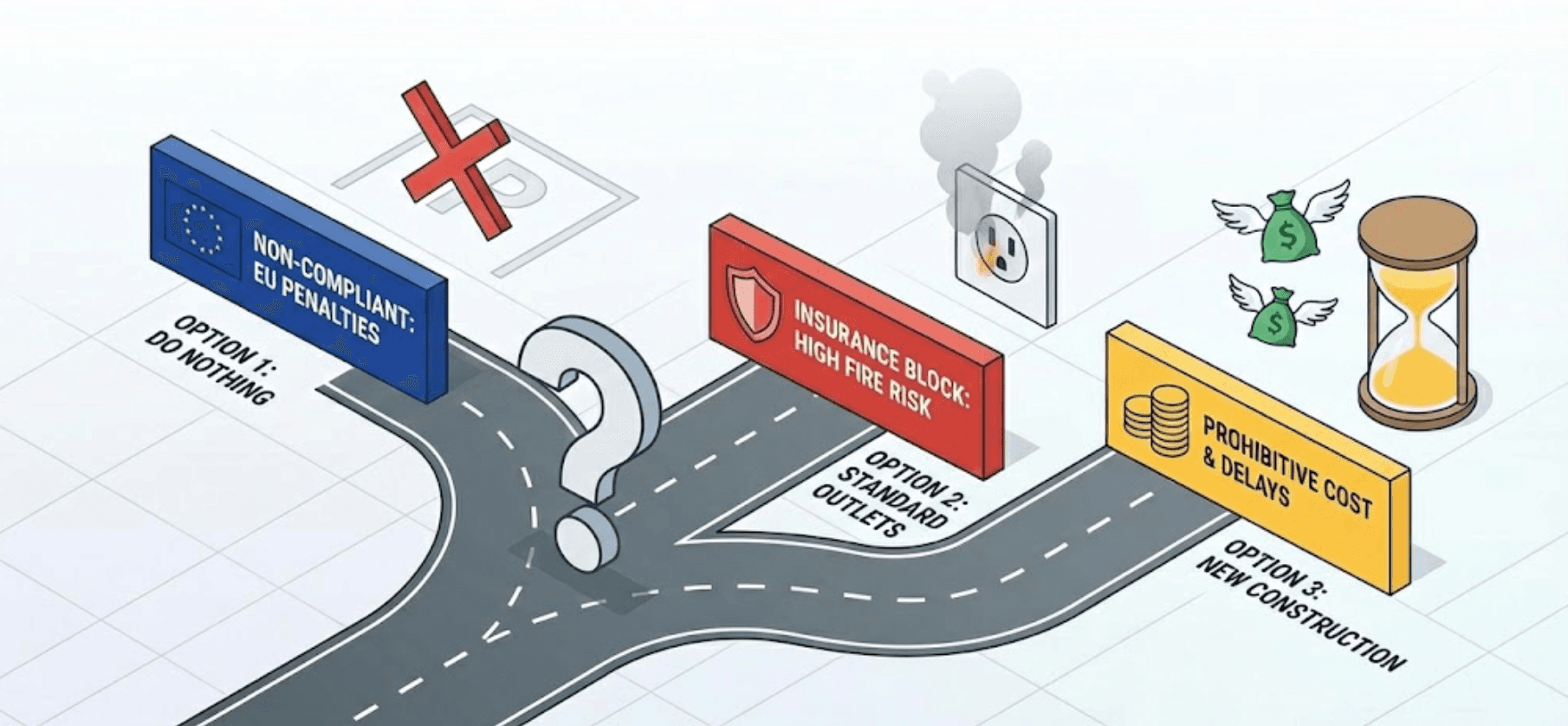
The EU demands the infrastructure. Your policy might reject the risk. Here's the cost of getting stuck in the middle.
If you own or manage a commercial or residential portfolio in Europe, you are likely already dealing with the EPBD IV (Energy Performance of Buildings Directive). You know the deadlines for Zero-Emission Buildings (ZEB). You know the renovation targets for 2030.
But there is a specific clause in Article 14 (‘Infrastructure for sustainable mobility’) that most asset managers are overlooking, and it has nothing to do with insulation. Here's what EPBD IV actually requires for e-bike parking and charging.
Member States had until May 2026 to write the new rules into national law. For new buildings and major renovations, Article 14 now requires:
Residential (more than 3 car parking spaces): At least two bicycle parking spaces for every dwelling, plus pre-cabling and ducting in the car park so recharging points for EVs and e-bikes can be added later
Commercial (more than 5 car parking spaces): Bicycle parking for at least 15% of the building's average user capacity (or 10% of total capacity), with room for cargo bikes and other larger models, plus pre-cabling and ducting in the car park
Don’t assume you are safe just because you aren't renovating.
By January 1, 2027, the bike parking requirement also applies to existing non-residential buildings with more than 20 car parking spaces, regardless of renovation plans, along with a minimum of EV charging or ducting in the car park. If you manage a mixed-use or commercial portfolio, the option to 'wait for the next retrofit' is already off the table.
More bike parking means more e-bikes in your building, and riders want to charge where they park. The directive is already wiring car parks for exactly that. Faced with the demand, the 'quick fix' sounds simple: 'I’ll just install some wall outlets in the bike room.'
Do not do this. But do not ‘do nothing’ either.
By trying to solve the charging problem with the ‘cheap fix’ you are walking directly into a financial trap we call the 'compliance-insurance double bind.'
The compliance-insurance double bind: When every seeming traditional path to compliance leads to a dead end of penalties, fire risk, or prohibitive costs.
1. The Cost of Doing Nothing (EPBD IV Penalties)
First, let’s look at the direct cost of ignoring the directive. The EPBD IV requires Member States to set penalties that are ‘effective, proportionate, and dissuasive.’
How that plays out depends on national law, but owners should expect some combination of:
Administrative Fines: Many national building codes allow fines, and some allow periodic penalty payments until the violation is fixed.
Permit Friction: Permits for new construction and major renovations are where these requirements get checked. A plan that falls short can hold up approval.
Leasing Pressure: Corporate tenants and investors with ESG mandates increasingly ask about green mobility facilities in due diligence. A building that falls short of the national code is a harder sell.
2. The Cost of the ‘Cheap Fix’ (Fire Risks & Insurance Gaps)
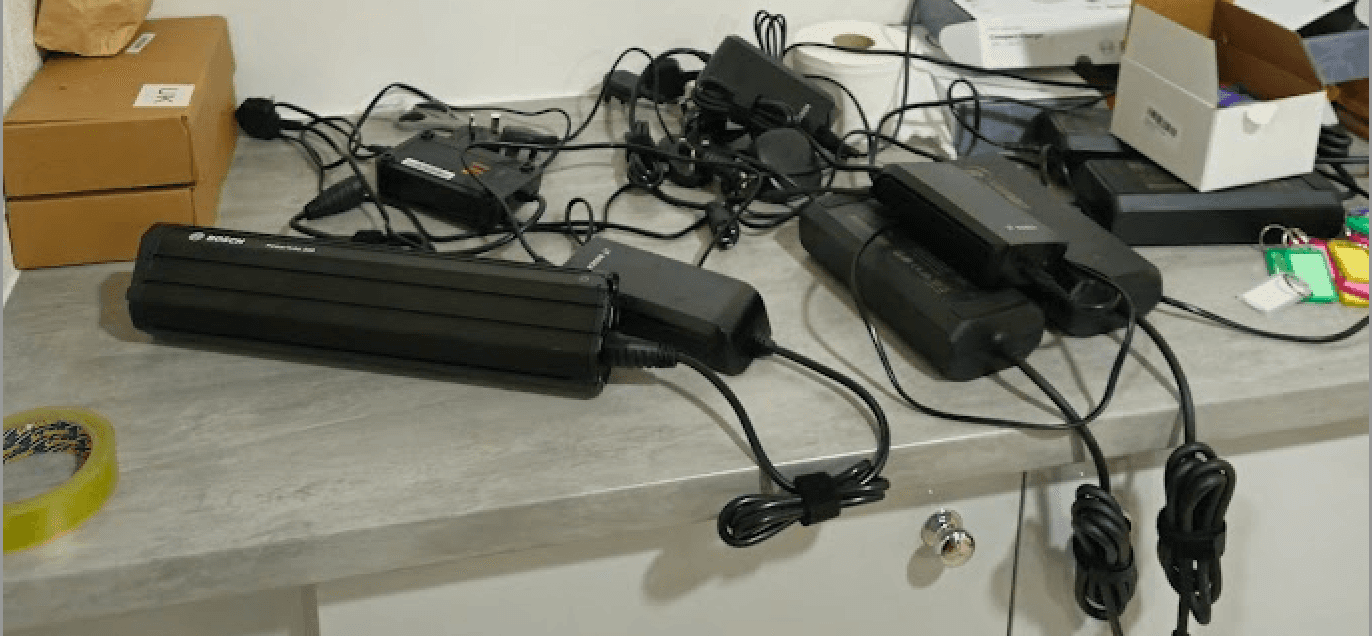
Fig. 1. The Cheap Fix’ Trap: Relying on standard outlets with unmonitored cables and flammable clutter is a recipe for battery fires and insurance disputes.
This is where the real danger lies.
Most facility managers will look at the regulation and think: 'Great, I'll just call an electrician to put up some outlets.' This is the natural, cost-effective reaction. But it is also the most dangerous one.
Your insurance company may not cover this.
Open, unmonitored charging of lithium-ion batteries is a fast-growing cause of building fires (here's how those fires start and spread). Insurers are paying closer attention to uncontrolled charging in communal areas, and building-level e-bike charging bans are spreading.
It's already happening. When Hotel Okura Amsterdam's insurer barred e-bike batteries from the building over fire risk, the hotel faced a choice between banning e-bikes and risking its coverage. It chose a third option: moving battery charging into outdoor lockers for guests and staff.
The directive itself acknowledges the problem. Recital 36 states that electrifying buildings, including batteries and recharging infrastructure, changes their fire safety risks, and that Member States need to address this. Article 14 also directs the European Commission to publish guidance on fire safety in car parks.
If you install open sockets to keep up with demand, you may put your coverage at risk.
The Scenario: a tenant’s e-bike battery enters ‘thermal runaway’ overnight while charging at a standard outlet you provided
The Outcome: Because the charging was unsupervised, with no ventilation and no separation from other batteries, your insurer disputes the claim, and you may be left covering the damage yourself
3. The Cost of ‘New Construction’
If you can't charge indoors safely due to fire safety compliance, you might think the only other option is to build a new, dedicated bike charging facility outside the main building.
The Bill: You aren't just paying for racks. You are paying for groundworks, trenching for new power cables, concrete foundations, and constructing a weather-proof structure.
The Timeline: This triggers a new planning permission process, potential architectural reviews, and months of construction delays.
The Reality: For many urban properties, you simply don't have the land. And if you do, the cost per parking spot skyrockets compared to using your existing indoor space.
A Viable Solution: Safety as Infrastructure
To escape this triple threat, you cannot treat bike charging as a simple utility upgrade. You must treat it as critical infrastructure.
Article 14 tells you how much bike parking to provide. It doesn't tell you how riders should charge. That part is between you, your insurer, and your budget, and any charging solution you install should meet three criteria:
Density: It must provide charging for a meaningful share of your new bike parking without taking up the floor space needed for the bikes themselves
Safety: It cannot rely on passive, open-air cooling. It needs active airflow extraction to remove dangerous gases, integrated fire suppression at the source, and separate compartments so a failing battery isn't charging next to everyone else's
Space (Retrofit-Ready): It must fit within your existing indoor (or outdoor) footprint. If a solution forces you to build a new external facility, the ROI is destroyed by construction costs.
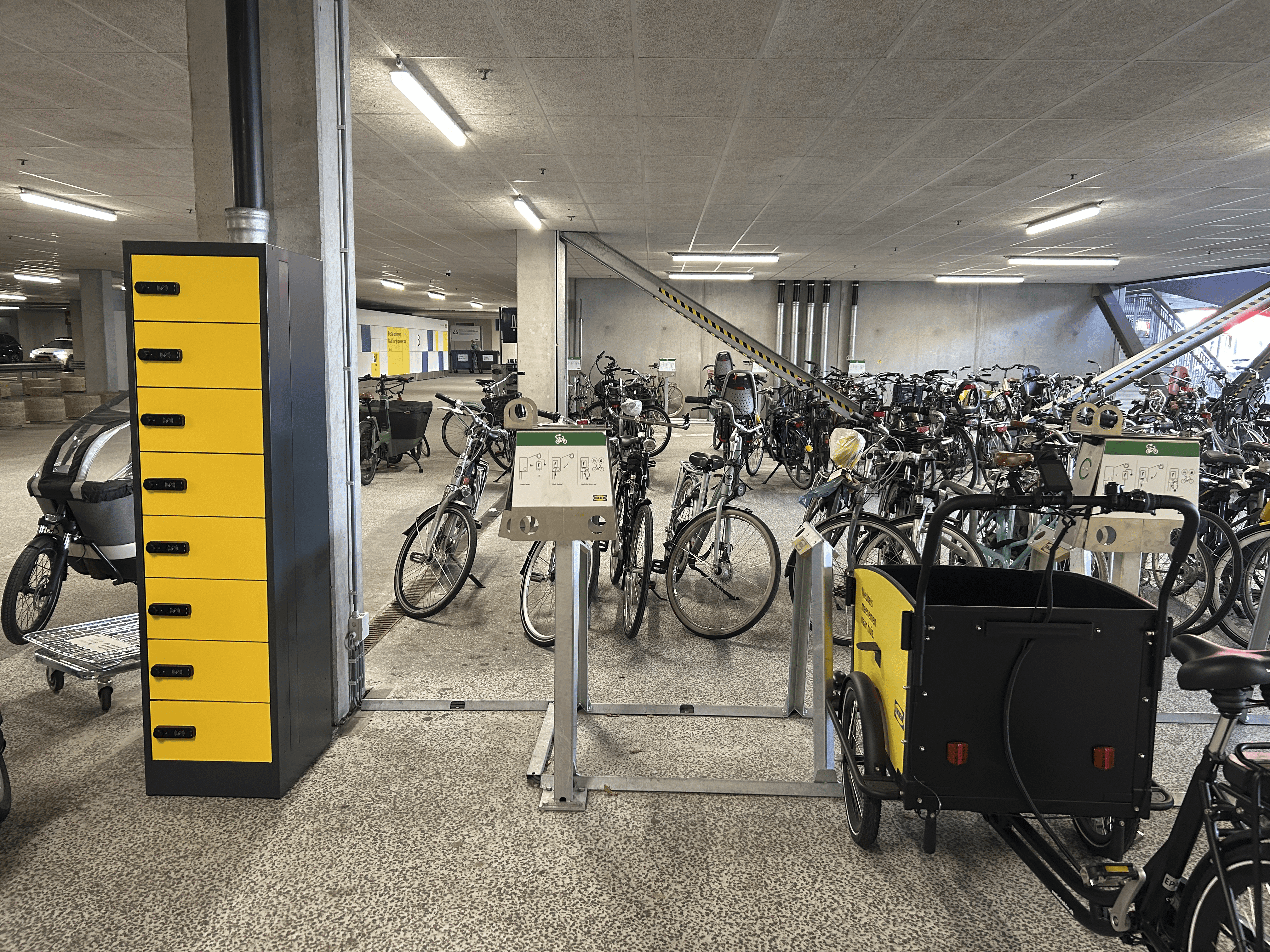
Fig. 2. Charging without construction: PowerShelter lockers retrofit into existing garages, adding e-bike charging alongside the bike parking Article 14 requires, without expensive civil works.
This is the engineering philosophy behind PowerShelter. We designed our modular lockers specifically to balance this equation: delivering the charging power for dozens of bikes in the footprint of a vending machine with the safety features insurers look for.
Is your building portfolio ready for 2027?
Don’t wait for the fine. Or the fire.
See how PowerShelter approaches charging safety.
Frequently Asked Questions
Does EPBD IV require e-bike charging?
No. Article 14 requires bicycle parking and, in the car parks of new and majorly renovated buildings, pre-cabling and ducting so recharging points for electric vehicles, e-bikes and other light electric vehicles can be added later. It does not require charging points in bike rooms.
When does EPBD IV apply to existing buildings?
Existing non-residential buildings with more than 20 car parking spaces must meet the bike parking requirement, plus a minimum of EV charging or ducting, by January 1, 2027. For existing residential buildings, the requirements apply only when the building undergoes a major renovation.
How many bike parking spaces does EPBD IV require?
New and majorly renovated residential buildings with more than three car parking spaces need at least two bicycle parking spaces per dwelling, or as many as appropriate where that isn't feasible in a renovation. Non-residential buildings need spaces for at least 15% of average or 10% of total user capacity, including room for larger bikes. Member States may adjust these numbers for buildings not typically reached by bike.
Does EPBD IV address fire safety?
Indirectly. Recital 36 says the electrification of buildings, including batteries and recharging infrastructure, changes fire safety risks that Member States need to address, and Article 14 directs the European Commission to publish guidance on fire safety in car parks.
Does charging e-bikes in a bike room affect building insurance?
It can. Insurers treat communal lithium-ion battery charging as a fire risk, and unmonitored charging at open sockets can complicate a claim. Before adding outlets, check your policy terms and ask your insurer what they expect from a charging installation.