Client
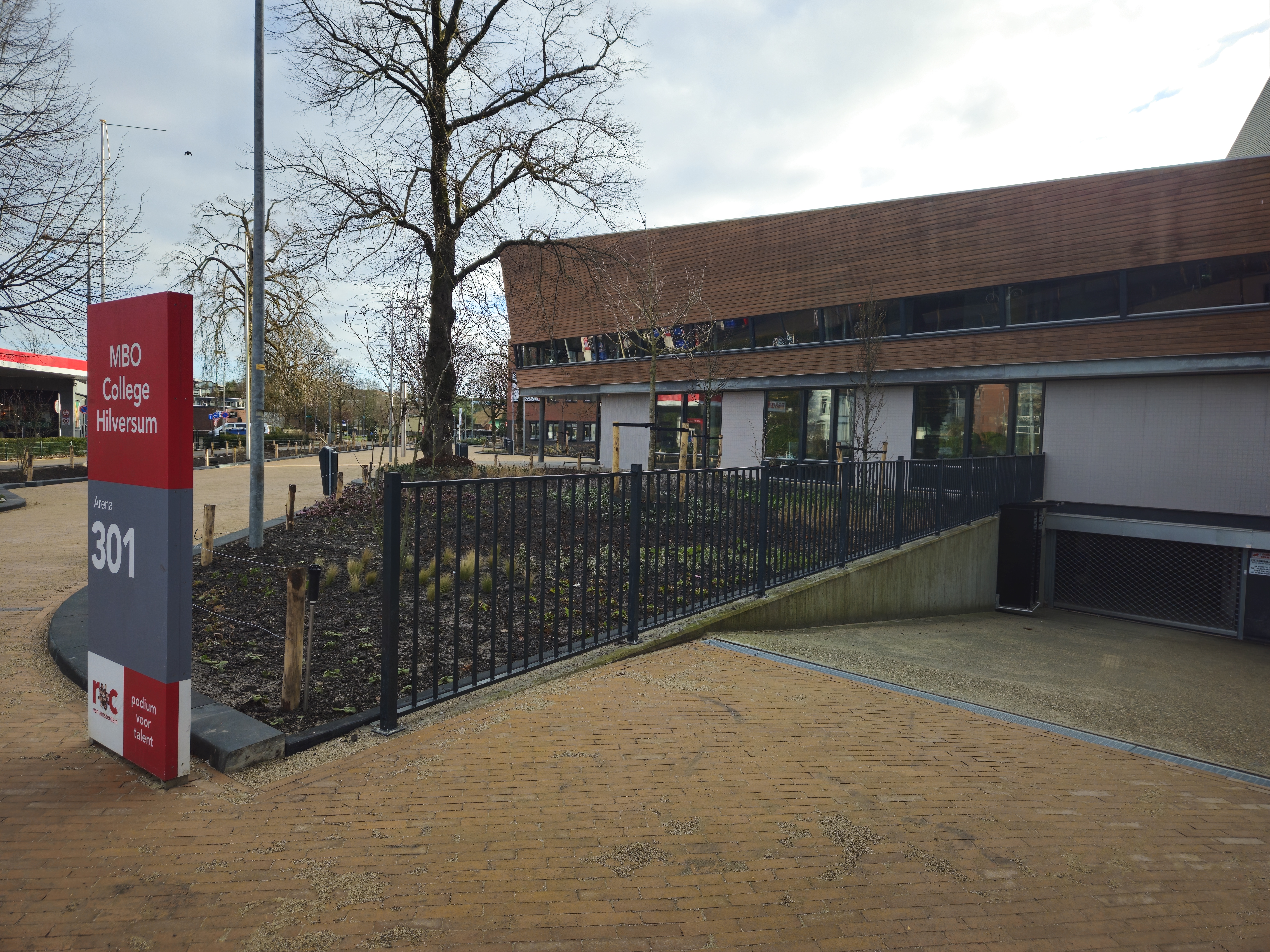
College Campus Hilversum
(Regional vocational education campus)
Hardware
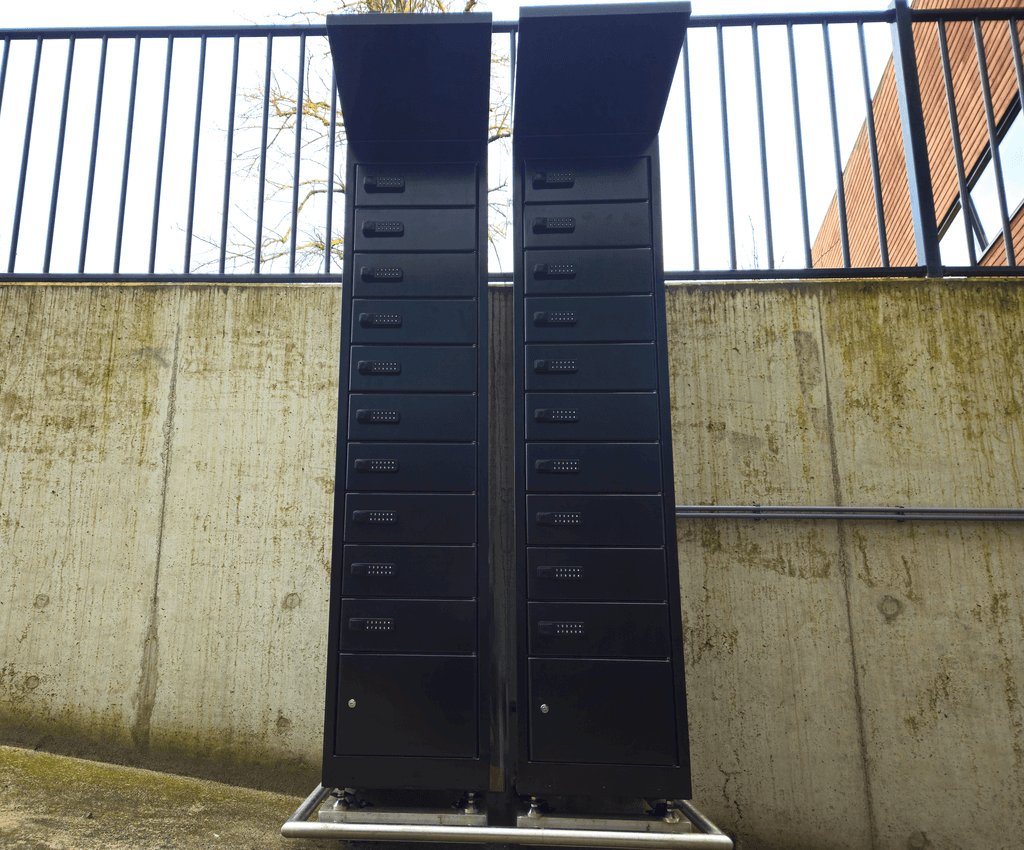

2x CoreShelter units

Retrofitted to existing outdoor space
Weatherproof exterior construction
Financials
~85% cost reduction vs. projected construction
Impact
Reduced fire risk and significant budget saving
Results
€60k+ construction cost avoided; fire risk resolved
CHALLENGE: The Construction Trap
ROC Hilversum reached a critical safety crossroads: e-bike batteries had become a documented fire risk, and allowing them inside campus buildings was a liability the institution could no longer ignore. The initial response was to build a dedicated, standalone parking facility for e-bikes.
However, the projected costs for groundworks, roofing, and secure access climbed to €60,000–€70,000. A major capital expense for a single safety problem.
SOLUTION: Retrofit, Don't Rebuild
Traditional construction is often a slow, expensive response to a fast-moving fire risk. PowerShelter provided a smarter path: rather than commissioning a new facility, the institution opted for active charging infrastructure retrofitted into their existing bike parking area.
Zero Construction: Because the CoreShelter units are standalone and weatherproof, the campus avoided expensive civil works, ground excavation, and the long lead times associated with new builds.
Infrastructure Integration: The lockers utilised existing outdoor space, allowing the campus to maintain its footprint while upgrading its safety capability.
The CAPEX Advantage: By investing in PowerShelter's solution, the college reduced its anticipated capital expenses by over 80%, saving more than €50k in construction costs.
“Safety is non-negotiable for us. We were fully prepared to invest in a major construction project to guarantee it. However, this solution proved we could achieve that same high standard of compliance without the heavy infrastructure, positioning us ahead of EU regulations while saving significant budget.”
ROC Hillversum
IMPACT: Immediate ROI
The decision to move away from a traditional build in favour of modular infrastructure delivered instant results for the campus's budget and safety profile.
Budget Saved: By avoiding the projected €60k+ construction bill, the institution freed up critical capital for other campus priorities while still achieving its safety goals.
Speed to Compliance: A construction project would have taken months to clear planning and groundworks. The CoreShelter units were deployed rapidly, providing an immediate solution to a high-priority fire risk.
Verified Safety Standards: Lithium-ion batteries are now charged outside the building in a controlled environment, keeping the campus ahead of evolving EU fire safety regulations through modular infrastructure rather than a cost-intensive new build.
KEY TAKEAWAY: Smart Infrastructure Beats Expensive Construction
ROC Hilversum didn't need a new building to solve its e-bike fire safety problem. Two CoreShelter units, retrofitted into existing bike parking, delivered the same safety outcome as a €60k+ construction project — in less time, at a fraction of the cost, and with room to scale.