Client
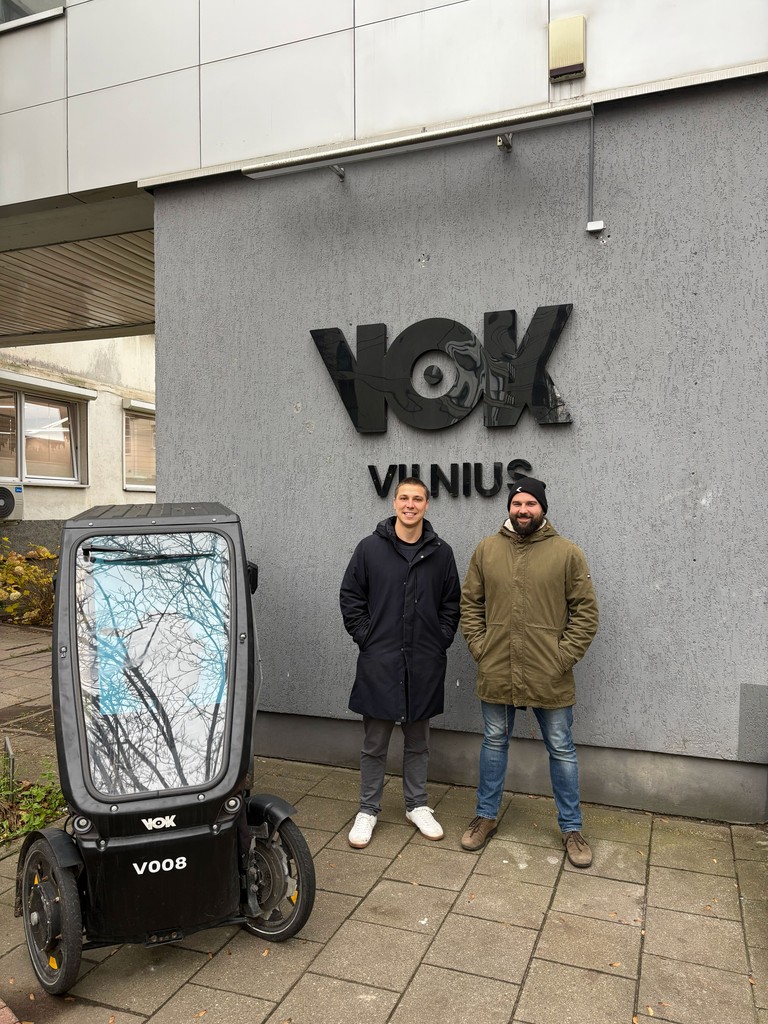
VOK Bikes (Electric Delivery Fleet Operations, Lithuania)
Hardware
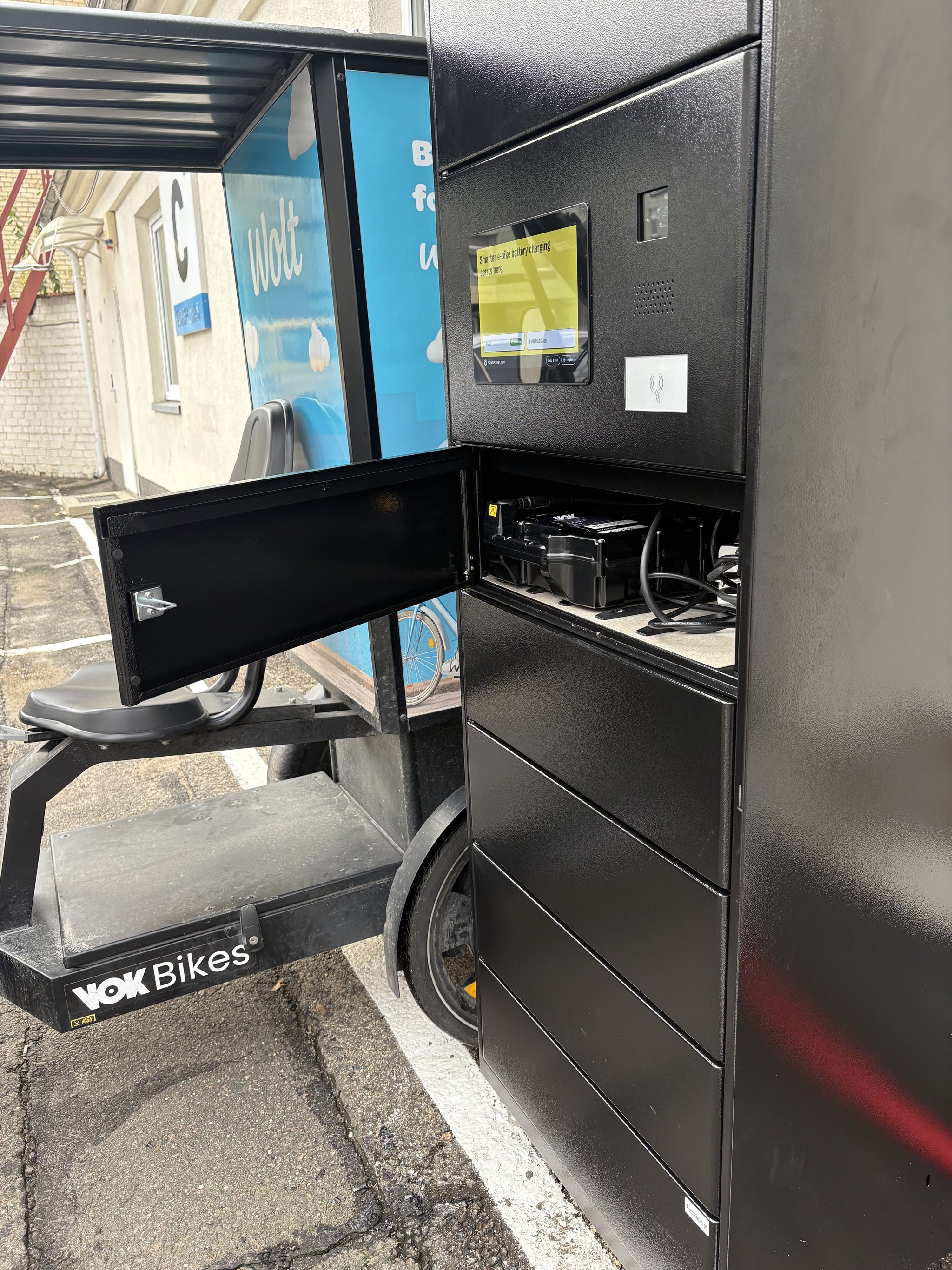
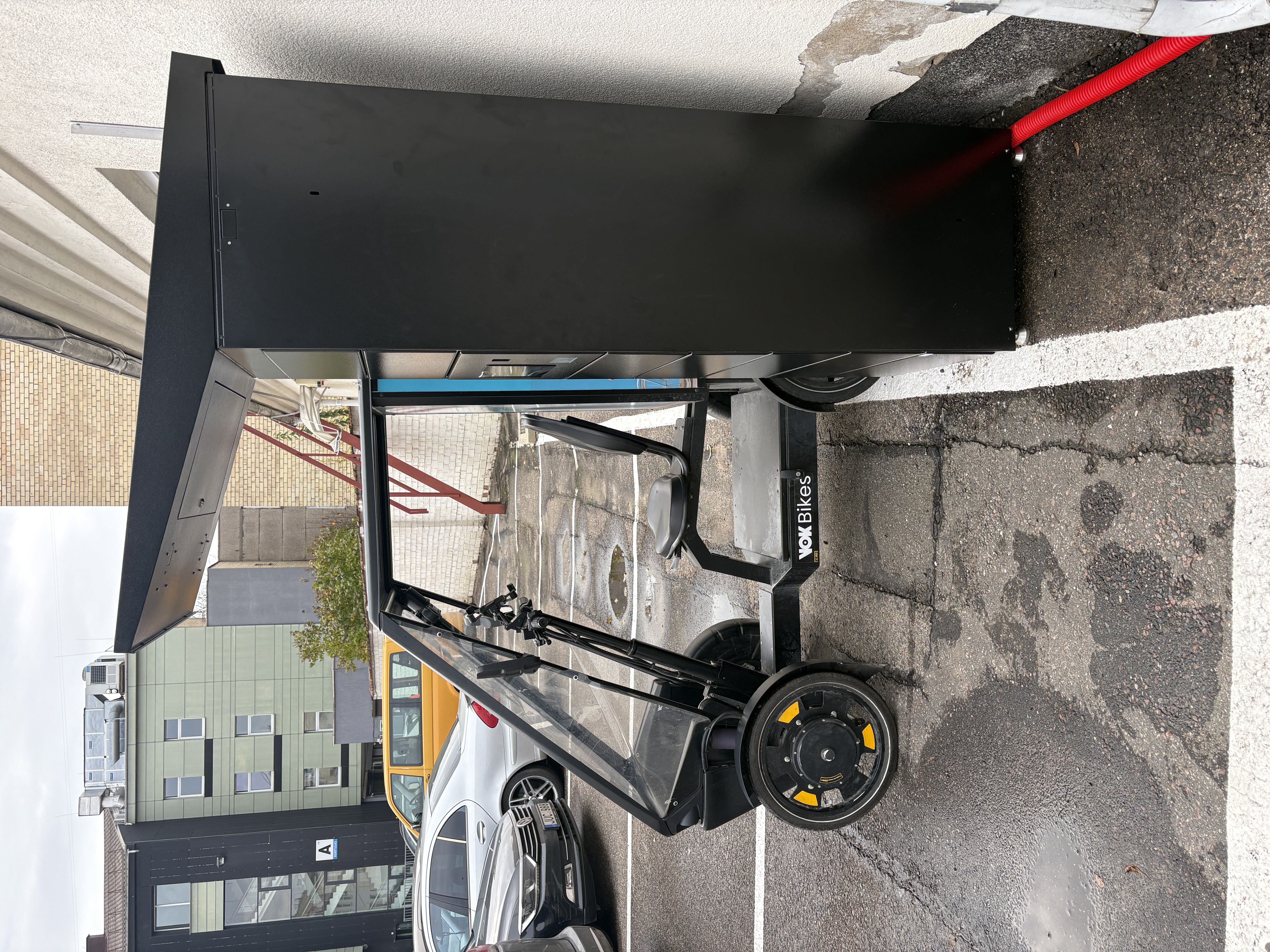
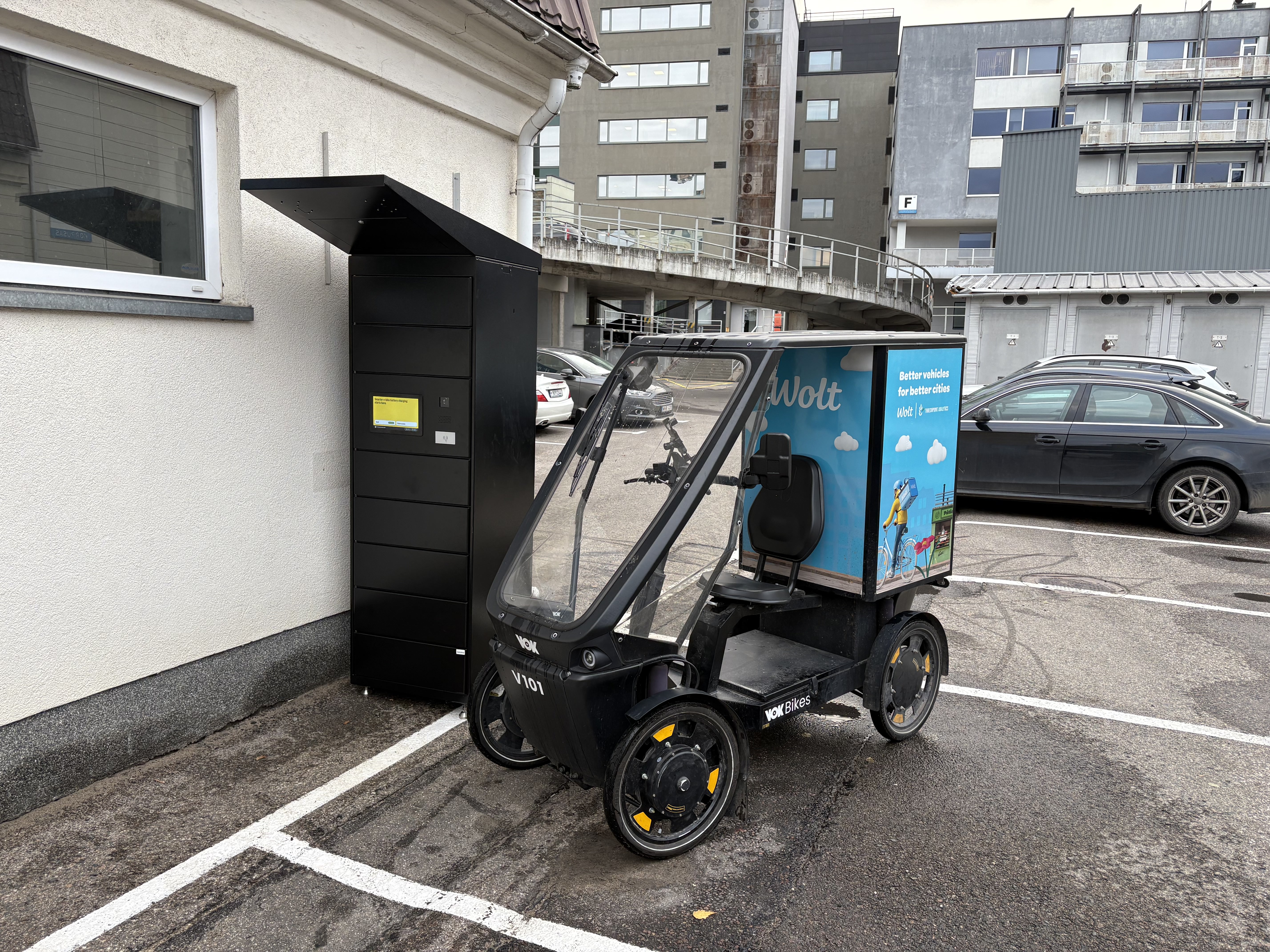
1 x SmartShelter
Configuration
PIN code access for riders
Placement
Outdoor Premises
Impact
90% reduction in battery logistics costs
Results
Manual operations out; self-service swapping in.
“Self-service swapping transformed our operations. Riders are faster, and our overhead dropped dramatically.”
- VOK Bikes, Fleet Operations
CHALLENGE: Manual Battery Logistics Don't Scale
VOK Bikes was scaling its electric delivery fleet across Vilnius. Battery logistics required staff to manually collect, charge, and redistribute batteries daily. This created labour overhead, operational friction, and unnecessary cost.
As the fleet grew, the model became unsustainable. Maintaining it meant significantly increasing headcount just to keep batteries moving. For a delivery operation competing on efficiency, that was not an option.
SOLUTION: Self-Service E-Bike Battery Swapping for Delivery Riders
PowerShelter deployed a SmartShelter directly at the fleet's base, enabling riders to swap depleted batteries for fully charged ones between shifts, without relying on a separate handling team.
Rider Autonomy: Riders access charged batteries via PIN code, returning depleted ones to the unit at the start and end of each shift. No scheduling, no waiting, no dedicated logistics team.
Overnight Charging Hub: The infrastructure provides a controlled, fire-rated environment for safe overnight charging of the entire fleet.
Operational Simplification: Battery logistics moved from a labor-heavy process to a streamlined, infrastructure-driven system.
Modular Capacity: As the fleet grows, additional SmartShelter modules can be added without a full infrastructure overhaul.
“Self-service swapping transformed our operations. Riders are faster, and our overhead dropped dramatically.”
VOK Bikes — Fleet Operations
IMPACT: 90% Cost Reduction, Faster Rider Turnaround
Self-service swapping removed the single biggest bottleneck in VOK Bikes' operations.
Cost Reduction: Removing manual battery logistics reduced operating costs by up to 90%.
Faster Turnaround: Riders swap batteries directly between shifts with minimal downtime, keeping the fleet moving.
Safer Charging: Battery logistics moved from a labor-heavy process to a streamlined, infrastructure-driven system.
KEY TAKEAWAY: Infrastructure that Scales with the Fleet
VOK Bikes didn't need more staff to grow their fleet. They needed infrastructure that removed the manual bottleneck entirely. One SmartShelter installation cut operating costs by up to 90% and gave riders the autonomy to keep moving without adding headcount.