Thales

Thales

Thales

Client

Thales 
(Defence & Aerospace) ‘Strategy for a Low-Carbon Future’ Initiative

Hardware

3x CoreShelter Units
High-Capacity, Fire-Resistant

Users

Corporate Staff / Tech Campus
Employee Benefits Program

Access control

PIN locksSecure
Staff Authentication

Impact

Convenient & Scalable Charging for a Low-Carbon Workforce

Securing the E-Mobility Transition: How Thales Replaced Ad-Hoc Charging with Active Safety Infrastructure

Securing the E-Mobility Transition: How Thales Replaced Ad-Hoc Charging with Active Safety Infrastructure

The challenge: The 'Capacity trap'

As part of its global commitment to a low-carbon future, Thales actively encourages and supports sustainable mobility for their employees. However, this success created a new problem - their existing e-bike charging infrastructure was overwhelmed.

The small number of charging outlets were consistently full, creating frustration for employees. Worse, the legacy outlets were located in difficult-to-access zones, forcing staff to deviate from their usual routine just to find a plug. For a defense and security company where risk reduction is part of its DNA, relying on overcrowded or ad-hoc charging setups was not an option. 

They needed a solution that was safe, professional, and scalable.

The solution: High-capacity, low-footprint infrastructure

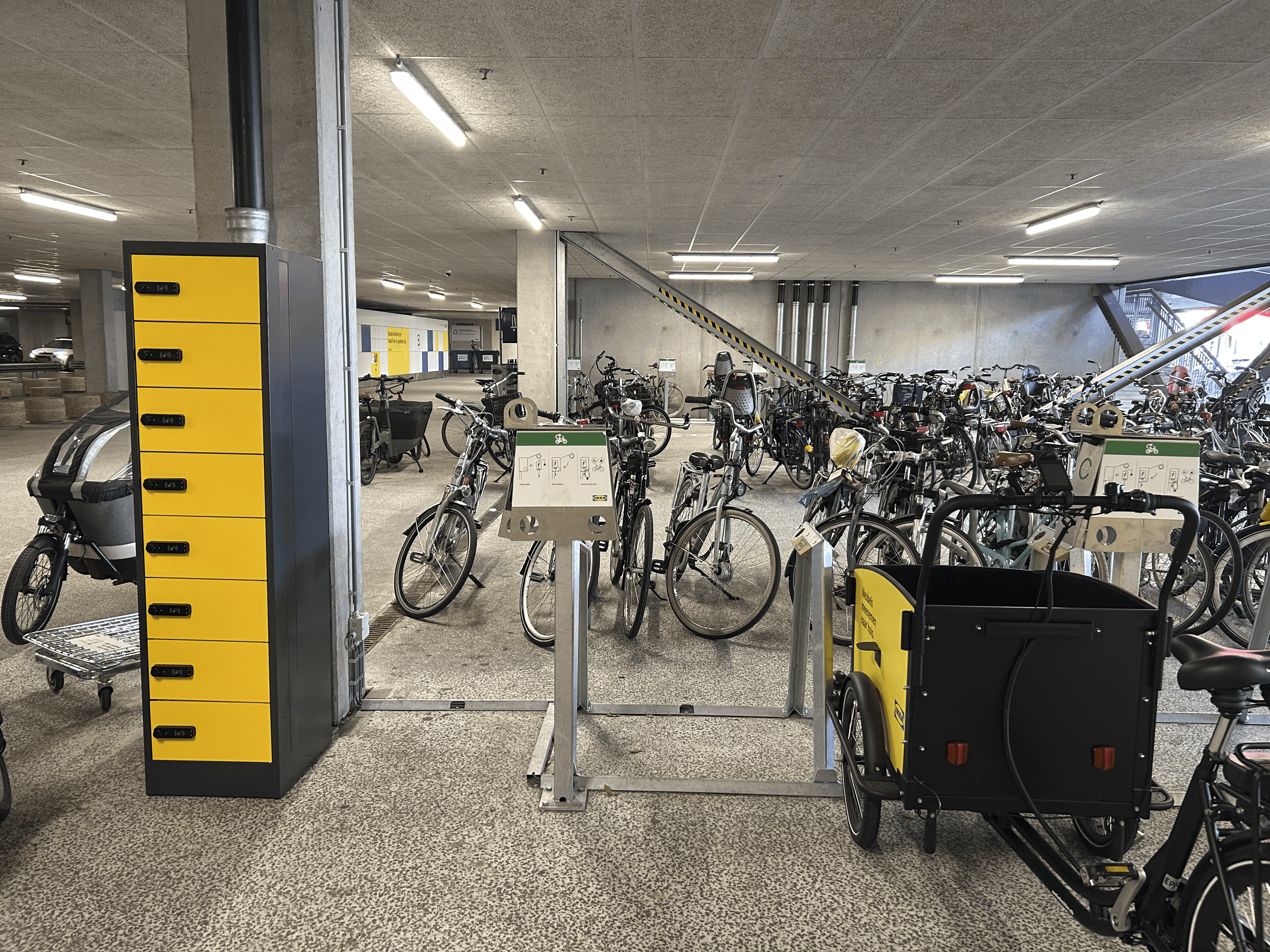
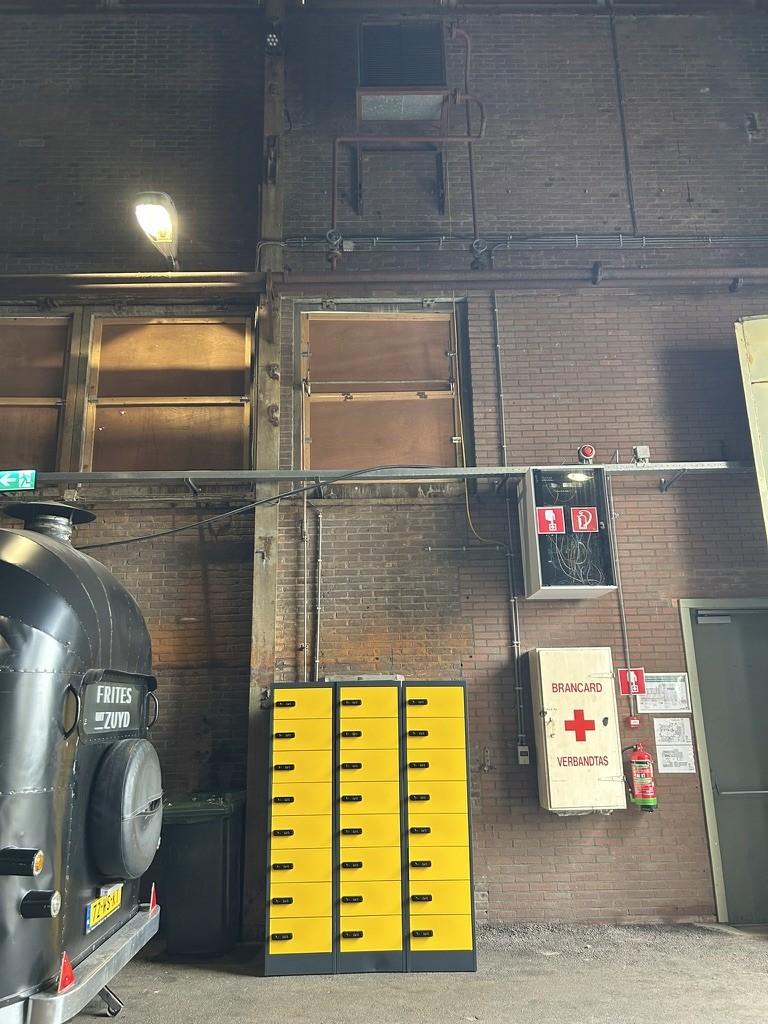
PowerShelter deployed three CoreShelter units to address the capacity deficit by replacing ad-hoc and out-of-reach charging with compliant, high-capacity charging lockers.

  • Space Efficiency: The compact design allowed Thales to install high-capacity charging directly in prime parking zones without eating up valuable real estate or requiring major construction. 

  • Defense-Grade Reliability: The units provided a secure, weather-proof environment for batteries, matching the strict safety standards expected on a high-security tech campus. 

Modular Expansion: Thales launched this first order of three units to meet current demand. The CoreShelter’s modular design ensures that as employee e-mobility adoption climbs, Thales can increase capacity by adding units in a plug-and-play fashion, avoiding the friction of a total infrastructure overhaul.
The impact: Security & sustainability

The installation bridged the gap between Thales' sustainability goals and their safety requirements.

  • Risk Mitigated: By providing dedicated, fire-rated infrastructure on campus, Thales reduced the risk of batteries being charged in unsafe or unmonitored areas.

  • Real Estate Optimized: The small physical footprint integrated perfectly with the existing campus layout, saving money on civil works and land use.

Employee Efficiency: Staff no longer waste time hunting for an open socket in hard-to-reach locations. Charging is now an effortless part of their arrival routine.

The installation bridged the gap between Thales' sustainability goals and their safety requirements.

  • Risk Mitigated: By providing dedicated, fire-rated infrastructure on campus, Thales reduced the risk of batteries being charged in unsafe or unmonitored areas.

  • Real Estate Optimized: The small physical footprint integrated perfectly with the existing campus layout, saving money on civil works and land use.

Employee Efficiency: Staff no longer waste time hunting for an open socket in hard-to-reach locations. Charging is now an effortless part of their arrival routine.

The installation bridged the gap between Thales' sustainability goals and their safety requirements.

  • Risk Mitigated: By providing dedicated, fire-rated infrastructure on campus, Thales reduced the risk of batteries being charged in unsafe or unmonitored areas.

  • Real Estate Optimized: The small physical footprint integrated perfectly with the existing campus layout, saving money on civil works and land use.

Employee Efficiency: Staff no longer waste time hunting for an open socket in hard-to-reach locations. Charging is now an effortless part of their arrival routine.

The installation bridged the gap between Thales' sustainability goals and their safety requirements.

  • Risk Mitigated: By providing dedicated, fire-rated infrastructure on campus, Thales reduced the risk of batteries being charged in unsafe or unmonitored areas.

  • Real Estate Optimized: The small physical footprint integrated perfectly with the existing campus layout, saving money on civil works and land use.

Employee Efficiency: Staff no longer waste time hunting for an open socket in hard-to-reach locations. Charging is now an effortless part of their arrival routine.

“The project demonstrated that you don't need massive construction to solve a massive infrastructure gap. Thales now has a scalable, secure mobility network that supports their workforce and their net-zero targets."

Thales Strategy for a Low-Carbon Future

“The project demonstrated that you don't need massive construction to solve a massive infrastructure gap. Thales now has a scalable, secure mobility network that supports their workforce and their net-zero targets."

Thales Strategy for a Low-Carbon Future

“The project demonstrated that you don't need massive construction to solve a massive infrastructure gap. Thales now has a scalable, secure mobility network that supports their workforce and their net-zero targets."

Thales Strategy for a Low-Carbon Future

“The project demonstrated that you don't need massive construction to solve a massive infrastructure gap. Thales now has a scalable, secure mobility network that supports their workforce and their net-zero targets."

Thales Strategy for a Low-Carbon Future

Upgrade your staff e-mobility program

Upgrade your staff e-mobility program

English

© 2025 PowerShelter B.V. / All Rights Reserved. / KvK: 90888189 / Developed in Amsterdam 🇳🇱

English

© 2025 PowerShelter B.V. / All Rights Reserved. / KvK: 90888189 / Developed in Amsterdam 🇳🇱

English

© 2025 PowerShelter B.V. / All Rights Reserved. / KvK: 90888189 / Developed in Amsterdam 🇳🇱

English

© 2025 PowerShelter B.V. / All Rights Reserved. / KvK: 90888189 / Developed in Amsterdam 🇳🇱